

STAY UPDATED WITH
USDT vs USDC: Which Stablecoin Is Better for Staking?

At first glance, all dollar-pegged stablecoins seem identical.
In reality, USDT and USDC differ in structure, liquidity, and ecosystem behavior, which can influence staking decisions.
Liquidity and Global Usage
USDT
-
widest exchange support
-
strong global trading presence
-
flexible transfers across regions
USDC
-
strong adoption in compliance-focused ecosystems
-
transparency-oriented reputation
-
deep integration in certain platforms
Network Availability
Both support:
-
TRC20
-
ERC20
-
BEP20
Users typically choose based on:
-
transfer fees
-
speed
-
exchange compatibility
LumaStake supports multiple networks, reducing friction for deposits and withdrawals.
Risk Perspective
No stablecoin is risk-free.
Consider:
-
issuer structure
-
regulatory environment
-
liquidity conditions
-
operational security
A balanced strategy focuses on efficiency and clarity, not perfection.
Practical Choosing Framework
Choose USDT if you want:
-
maximum flexibility
-
broad exchange compatibility
Choose USDC if you prefer:
-
transparency-focused ecosystems
-
specific platform integrations
Conclusion
The “better” stablecoin depends on your workflow and priorities.
Both USDT and USDC remain core assets for structured staking on LumaStake.
CTA:
Compare supported networks and staking tiers directly on LumaStake to choose the option that fits your strategy.
Share this article


Recommended Articles
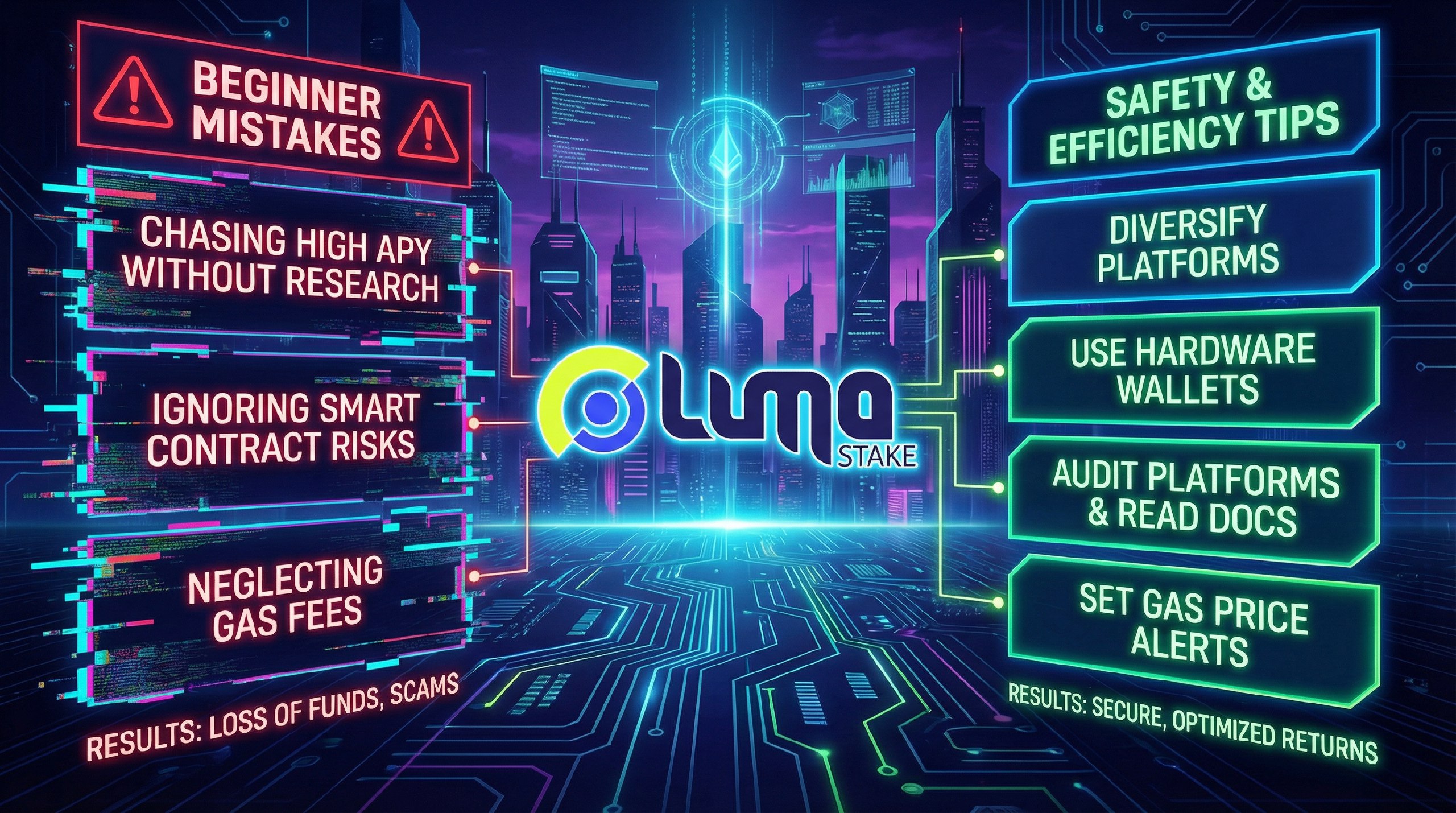
Common Beginner Mistakes in Stablecoin Staking
Stablecoin staking is often considered simpler than trading,but beginners still make avoidable mistakes that can lead to: lost funds unneces...
Read More
USDT vs USDC for Staking
Key Differences, Risk Considerations, and Practical Choosing Guide Stablecoins are often treated as interchangeable — “a dollar is a doll...
Read More
Is Crypto Staking Safe? Real Risks Every User Should Know
Safety is the most important question in modern crypto.After past industry failures, users now look beyond marketing and ask: What are the real ris...
Read More